microneedling Vancouver
Five Best Ways to Boost Your Skin’s Collagen
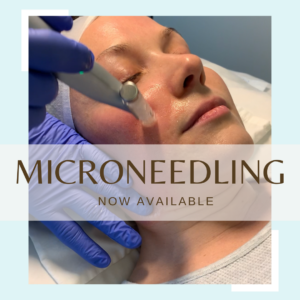
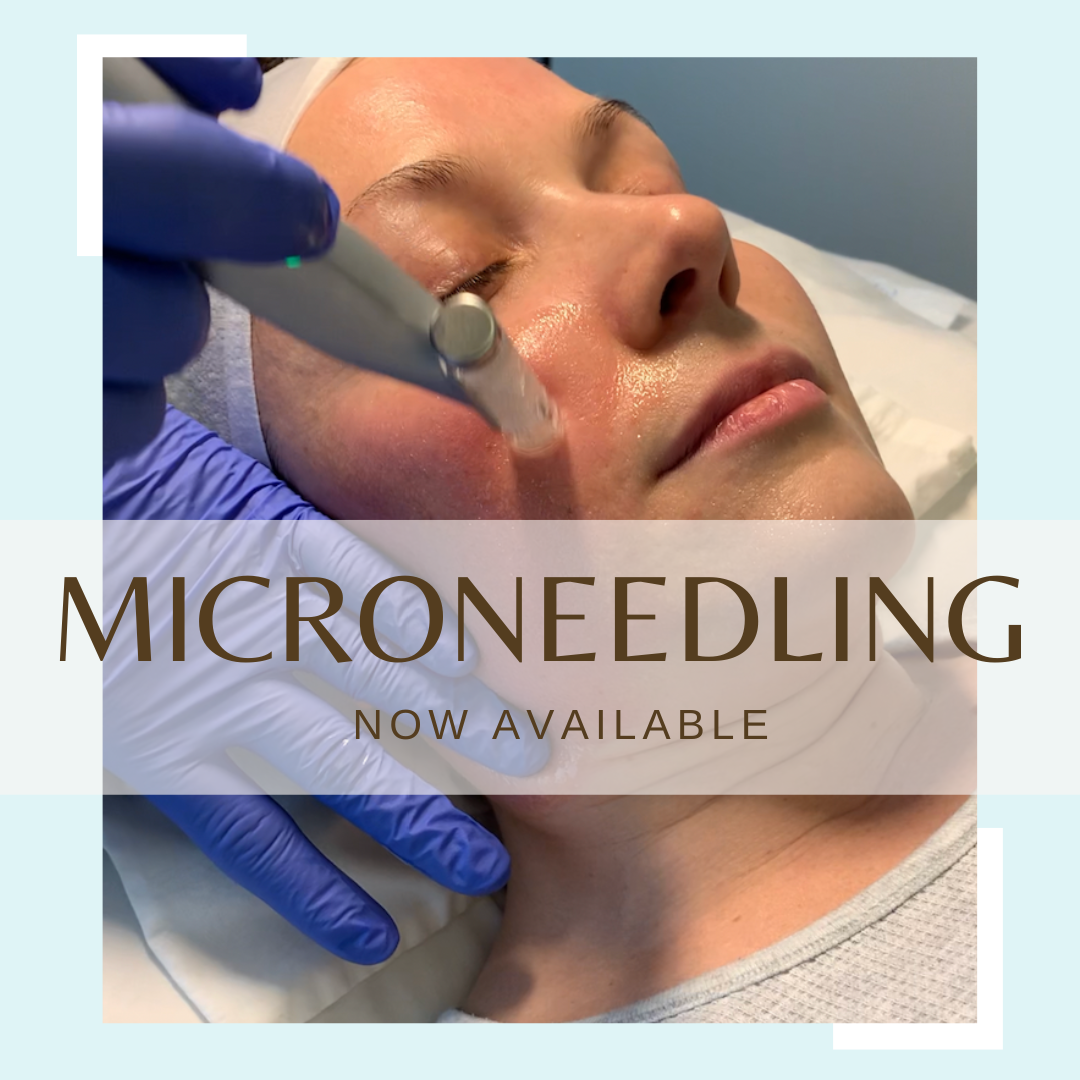
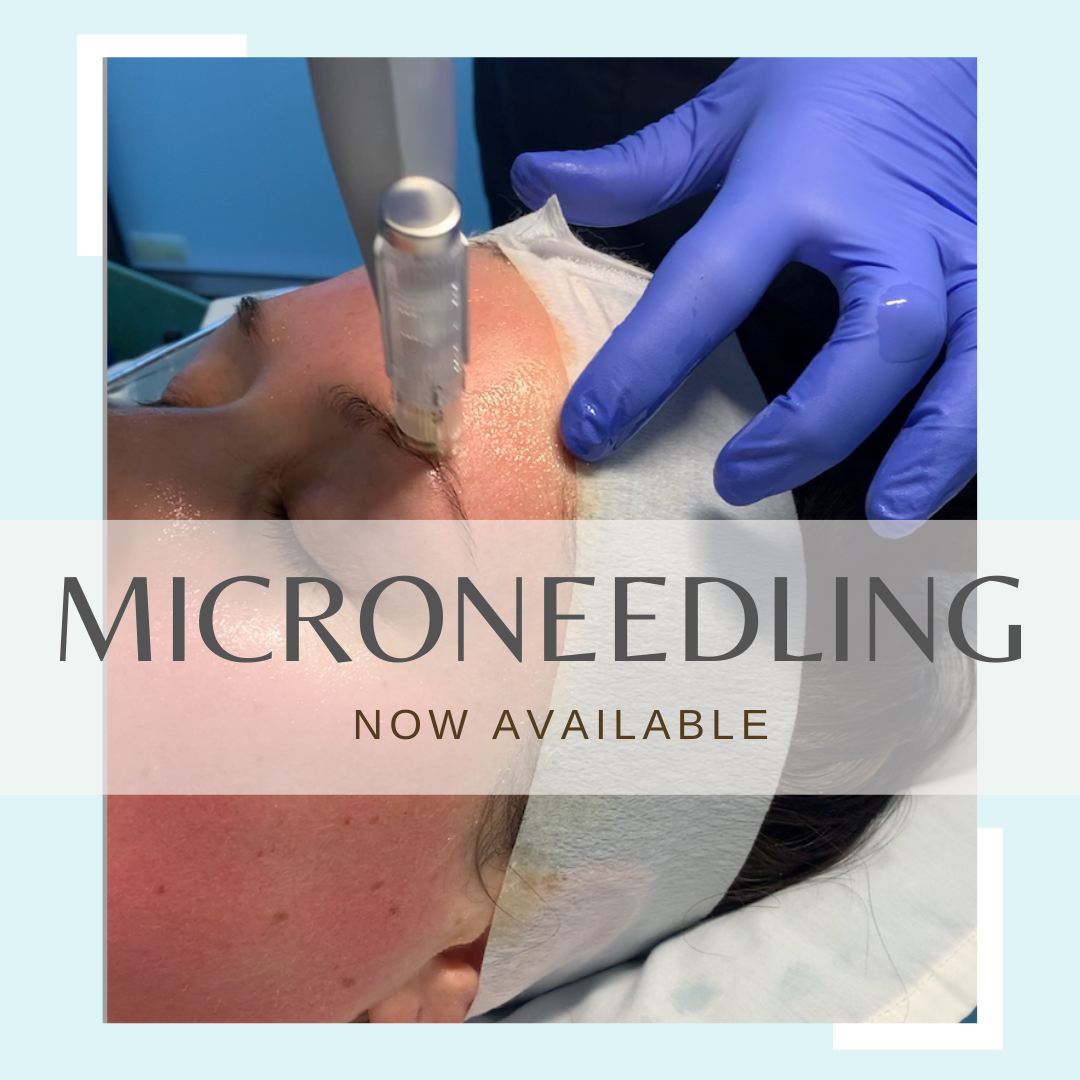
As the summer light fades and the rain sets in, our sun-kissed glow begins to fade too. Looking more closely at our skin, we may notice fine lines, blemishes, or even some acne scarring. Microneedling improves your skin’s texture, colour, tone and firmness by stimulating collagen production.
According to Dr. Anthony Youn, a board-certified plastic surgeon based in Troy, Michigan, microneedling can increase collagen production by up to 400%! That’s an amazing stat, so I did a deep dive to see whether it was accurate.
Here’s what a study published in the National Library of Medicine had to say about microneedling:
“Increase in collagen and elastin in the skin can reach 400% after 6 months, with an increase in the thickness of the stratum granulosum occurring for up to 1 year. In conclusion, micro-needling can be considered an effective and safe aesthetic medicine procedure which is conducted at low costs due to its low invasiveness, low number of adverse reactions, and short recovery time.”
Why collagen matters as we age
We lose about 1% of our collagen each year starting in our mid-20s. Menopause speeds this up: women can lose about 30% of their collagen in the first five years of menopause!
Stress plays a role too. Long-term, high stress keeps cortisol levels elevated, which suppresses the genes for type I collagen. It also raises the enzymes (MMPs) that break collagen down.
It turns out that feeling safe and regulated is super important for a healthy complexion, along with sleep, diet and lifestyle. In my practice, I combine microneedling with Chinese medicine: herbs that nourish qi and blood, and acupuncture to calm and regulate your nervous system.
#1 Building collagen starts with your diet
Animal foods rich in gelatin (actual collagen):
- Bone broth and long-simmered soups. A TCM staple for nourishing blood and essence. Long cooking extracts gelatin, glycine and proline.
- Pig’s trotters. Traditionally given to new mothers and eaten for the skin. They are very high in collagen.
- Chicken feet. Mostly skin and tendon, so almost pure collagen. Common in soups and dim sum.
- Beef tendon. Valued for strengthening the sinews and rich in type I collagen.
- Fish maw (dried swim bladder). Considered deeply yin-nourishing and rich in collagen.
- Sea cucumber. Prized for kidney essence and longevity, and contains collagen and chondroitin.
- E’jiao (donkey-hide gelatin). A classic blood tonic, used especially by women, and essentially concentrated gelatin. Its popularity has strained donkey populations worldwide, so its sourcing is controversial.
Plant foods that support collagen (they don’t contain it, but help your body make it):
- Citrus fruits such as oranges, lemons and limes
- Berries such as blueberries, blackberries and strawberries
- Goji berries. They nourish liver and kidney yin and are rich in vitamin C and antioxidants.
- Red dates (jujube). They build blood and qi. Fresh jujubes are very high in vitamin C, which your body needs to make collagen.
- Black sesame seeds. They nourish blood and essence and are linked to healthy hair and skin.
- Peach gum. This tree resin swells into a jelly and is often cooked with snow fungus (tremella) in beauty soups. It’s a plant polysaccharide, not collagen, but it helps the skin hold moisture.
- Longan, walnuts and black beans. Traditional tonics for blood, essence and vitality.
Beyond your plate: treatments that build collagen
2. Microneedling. A series of 4 sessions, spaced 4–6 weeks apart.
3. Vitamin C and retinoids. Apply a vitamin C serum every morning and a retinol at night. Prescription tretinoin is the best-proven topical for building collagen: it switches on the genes that make type I and III collagen and blocks the enzymes that break it down. (Retinoids aren’t recommended during pregnancy.)
4. Red light therapy. Yes, it works! It stimulates the mitochondria in your cells to produce more ATP, which gives your fibroblasts (collagen-making cells) the energy they need to make collagen.
5. Daily sunscreen. It doesn’t build collagen, but it protects what you have. UV rays trigger the MMP enzymes that break collagen down.
The bottom line: microneedling, along with a healthy diet, a retinoid, vitamin C serum and red light therapy, will boost your collagen production, and fall is the perfect time to start!
Planning your sessions
- If you get Botox, especially for the “11s” (the lines between your eyebrows), I’ll avoid needling that area if your Botox was done within the past 4 weeks.
- Plan to stay out of the sun and use sunscreen daily!
- Pay attention to your cycle. Avoid booking just before your period or in the first few days of it, as your skin may be more sensitive. I do use numbing cream, but your sensitivity may still be heightened after treatment.
Microneedling Package: $325
- Microneedling session with red light therapy (75min)
- Take-home treatment kit, including hyaluronic acid ($75 value)
If you have acupuncture benefits, the acupuncture portion will be covered.
Curious about microneedling or have more questions? Reach out for a free 15-minute phone consult!
Important to note: microneedling is not recommended if you:
- are pregnant or breastfeeding
- are undergoing chemotherapy or radiation
- have severe eczema, psoriasis, rosacea or dermatitis
- take blood thinners
- are prone to keloid scarring
- have a compromised immune system (e.g., HIV)
- active inflamed acne or cystic breakouts